
Old Roof vs. New Roof: Why the Difference Matters More Than You Think
Your roof does more than sit on top of your home, it protects everything beneath it. However, over time even the strongest roofs begin to show their age. If you’re debating whether to repair an ageing roof or invest in a new one, understanding the differences between an old roof and a new roof can make the decision much clearer.
The Telltale Signs of an Old Roof
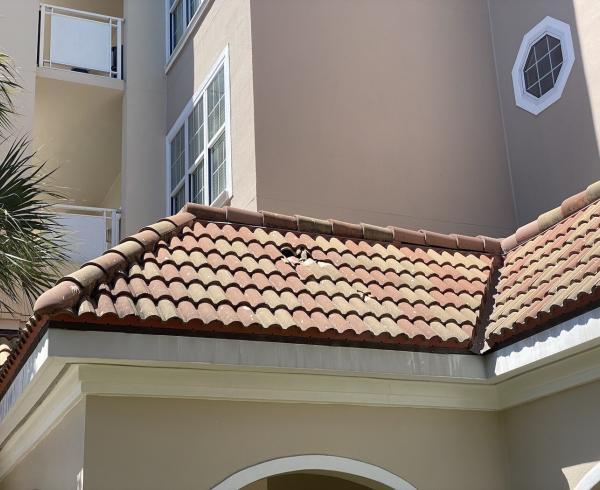
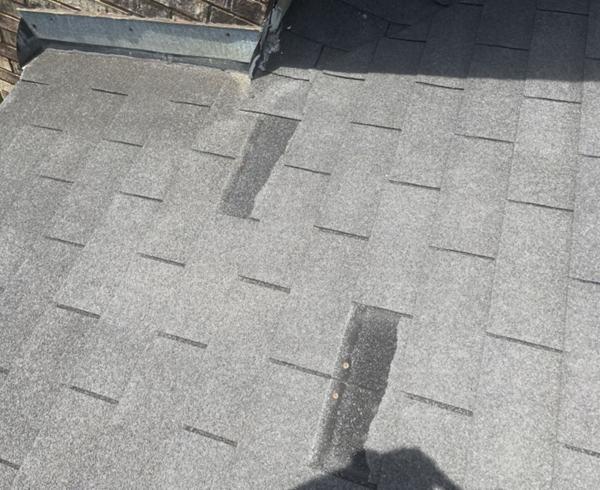
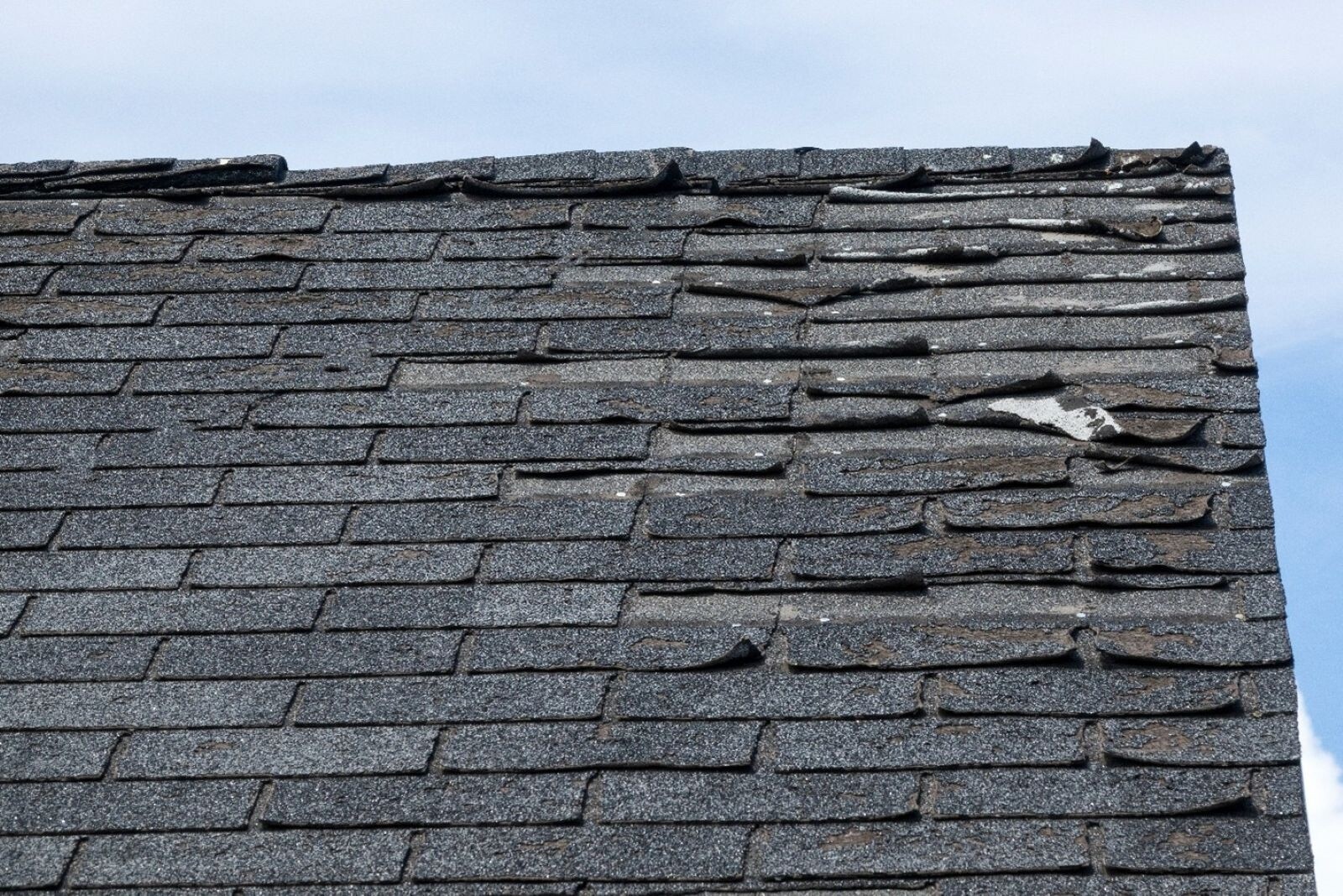
An old roof often gives subtle warnings long before major problems appear. Curling or missing shingles, dark streaks, moss growth, and granules collecting in gutters are all signs that your roof is nearing the end of its lifespan. Inside the home, you may notice water stains on ceilings, drafts, or rising energy bills.
As roofing materials age, they lose their ability to protect against moisture, wind, and temperature changes. Small issues like a minor leak can quickly escalate into structural damage, mold growth, or insulation problems. What starts as a simple repair can turn into a costly emergency if the roof fails unexpectedly.
Energy Efficiency: Then vs. Now
Older roofs were built to the standards and materials available at the time, which often fall short of today’s energy-efficiency expectations. Aging shingles absorb more heat, ventilation may be inadequate, and worn underlayment allows air to escape.
A new roof, on the other hand, is designed with modern efficiency in mind. Today’s roofing systems use improved materials, better ventilation, and reflective options that help regulate indoor temperatures. Homeowners often notice lower heating and cooling costs almost immediately after replacing an old roof.
Curb Appeal and Home Value
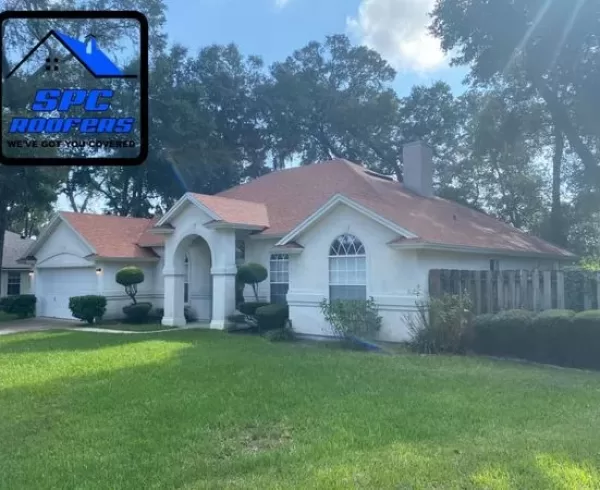
An old roof can make even a well-maintained home look tired. Stains, uneven shingles, and visible wear can detract from curb appeal and raise red flags for potential buyers.
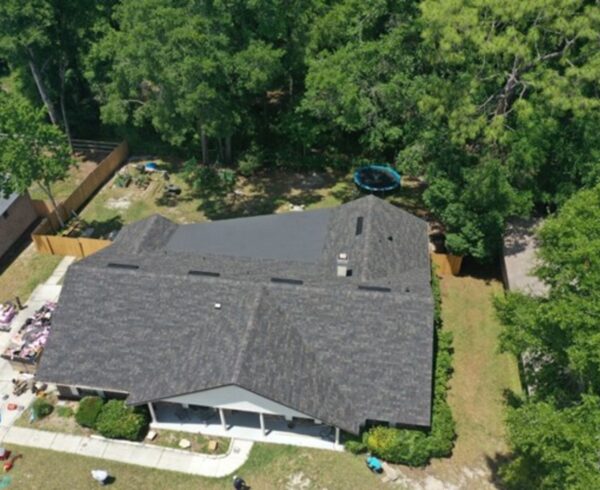
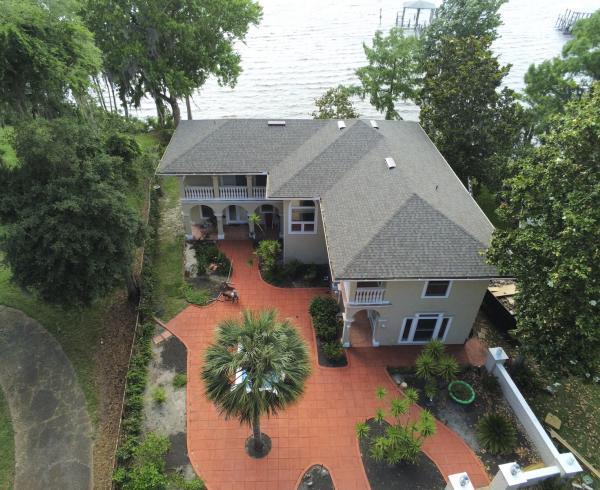
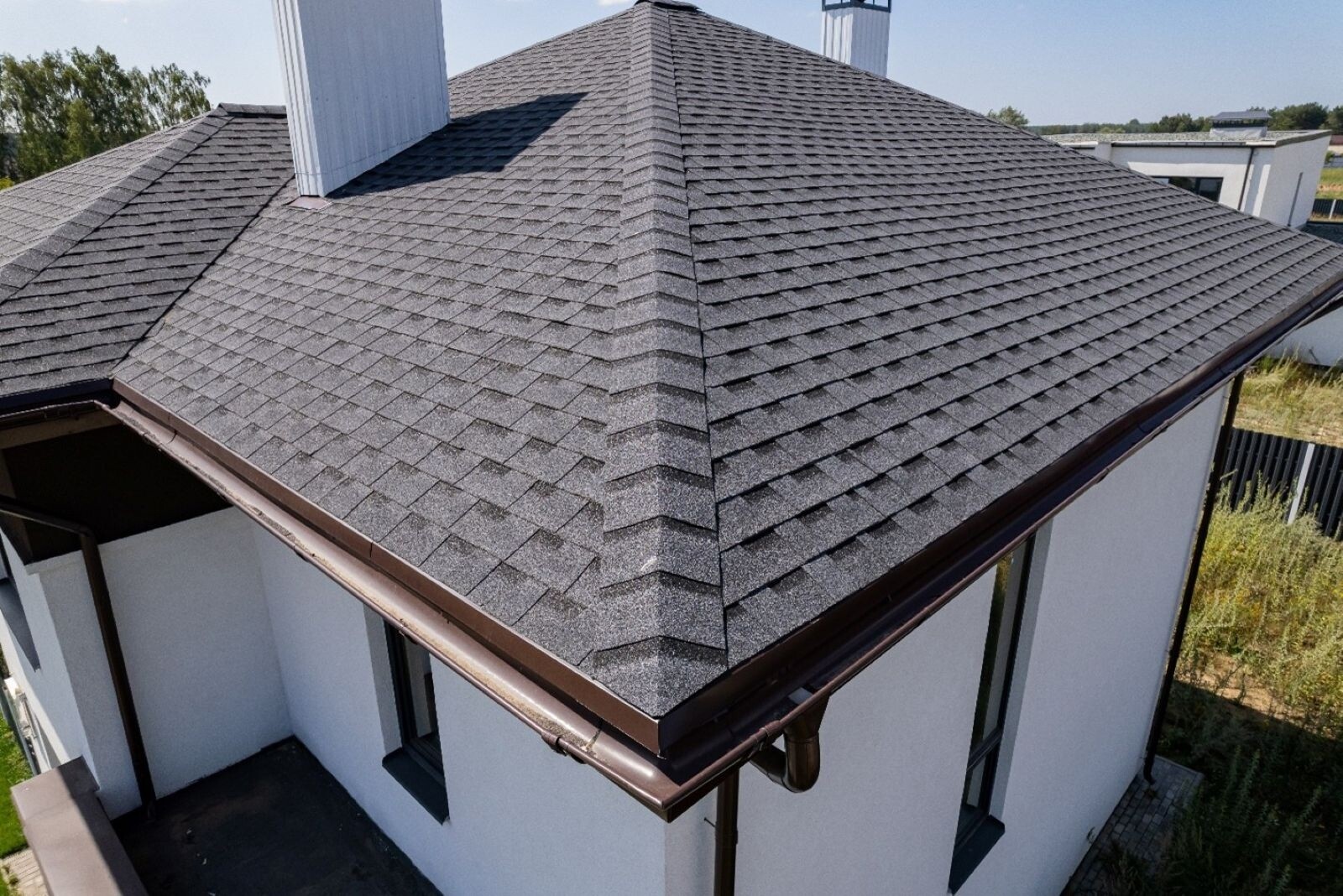
A new roof instantly refreshes the appearance of your home. Clean lines, uniform color, and modern materials can dramatically enhance curb appeal. From a real estate perspective, a new roof is a major selling point and reassures buyers that the home has been cared for and reduces concerns about future expenses.
Reliability and Peace of Mind
One of the biggest differences between an old roof and a new roof is peace of mind. With an aging roof, every storm brings uncertainty. Will shingles blow off? Will water find its way inside?
A new roof provides confidence. Installed with updated techniques and backed by manufacturer warranties, it’s built to withstand the elements. Instead of worrying about leaks and repairs, homeowners can focus on enjoying their home.
Long-Term Cost Considerations
It’s natural to focus on the upfront cost of a roof replacement, but an old roof can be far more expensive over time. Frequent repairs, rising energy bills, and potential interior damage add up quickly. A new roof is an investment. While the initial cost is higher, it often saves money in the long run through reduced maintenance, improved efficiency, and increased home value. In many cases, replacing an old roof before it fails can save thousands of dollars on additional repairs.
The Bottom Line
An old roof may still be “doing its job,” but often just barely. A new roof doesn’t just fix existing problems it prevents future ones. From improved protection and energy efficiency to better curb appeal and peace of mind, the difference between an old roof and a new roof is significant. If your roof is showing signs of age, now may be the perfect time to consider an upgrade. A new roof isn’t just a replacement, it’s a smart investment in the comfort, safety, and value of your home.